

Silence
A prelude to our spring theme


The LORD is in his holy temple; let all the earth be silent before him.
— Habakkuk 2:20 (NIV)
From the Convent at St. John of Mustair, Switzerland (June 2025)
The chapel is cool and quiet, with the only sign of life flickering above. I’m bent over the kneeler staring up at my only companion—the sanctuary lamp—glowing red against the pale wall. I don’t know a lick of German, so I’ve opted for a window of silence here instead of joining the sisters in the church for Vespers.
I recite what I know of Vespers from memory, but mostly I am led to silence. Dinner is next, and my stomach hasn’t forgotten it.
Monastic life is somewhat en vogue in the evangelical consciousness these days. Contemporary Christian books wax poetic in reference to the concept of liturgy without touching the substance of liturgical tradition Mother Church offers us with an open, expectant palm. We have a lot to say about silence, but the actual lived discipline of it? It’s partially why I am here at St. John’s, eager to behold and feebly partake in this holy work of silence.
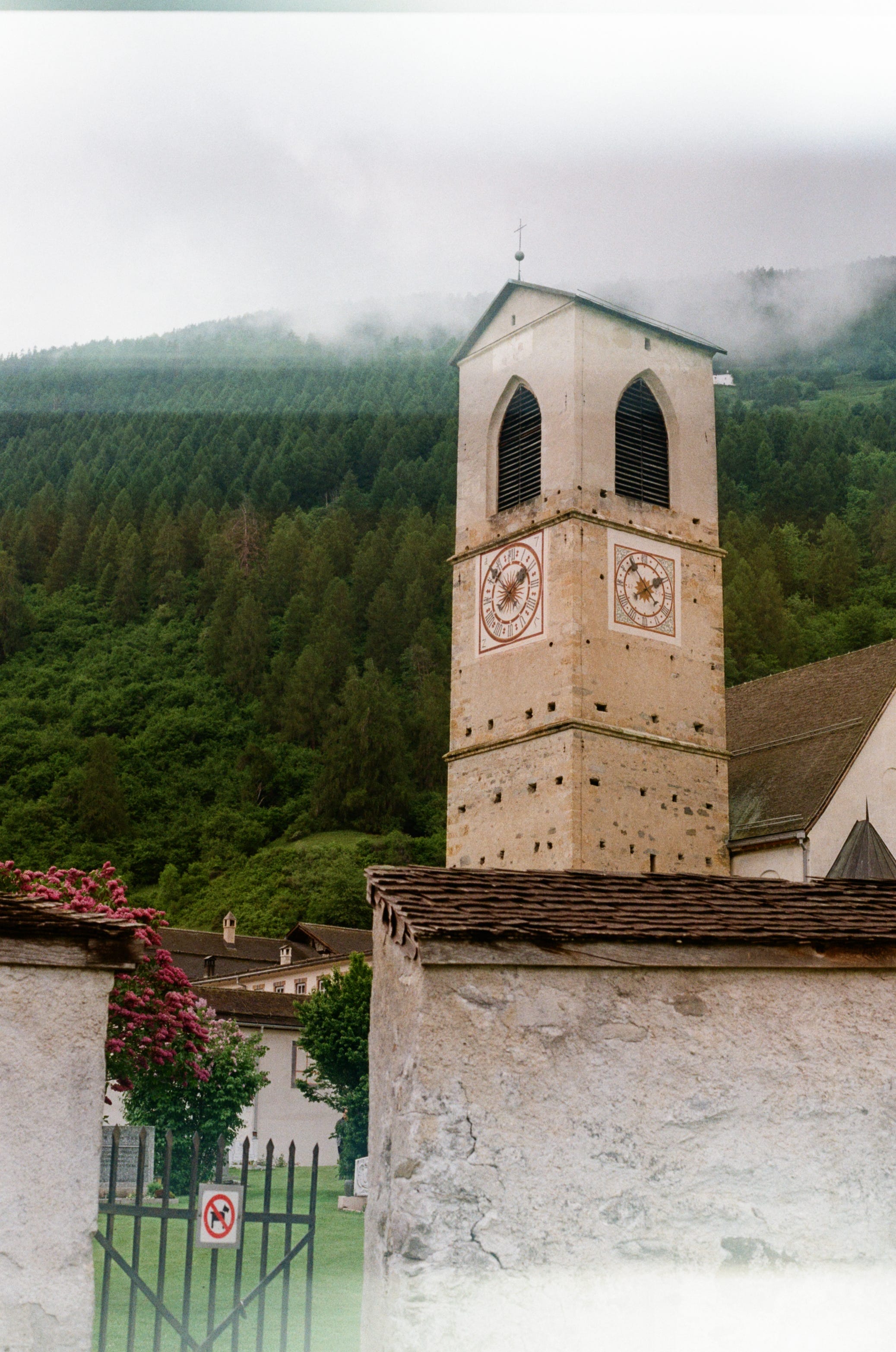
This holy, dull work. This dull work. This work. This work that sounds idyllic and significant until you’re in it, knees sore, stomach growling, shamefully counting the minutes until the bell tolls and you can leave. Lord, have mercy.
My idea of mercy? A word from above in this long-drawn silence. I’ve been told that we spend too much time talking at God instead of listening to Him, so here I am, ears ringing. There are no highways nearby the dull the silence, no air conditioners or furnaces huffing. All is calm, all is vacant, all is ringing, except the damn bells.
Silence stretches before me like a dusty path untouched, and my throat is already parched. I squint ahead for any sign of guidance, impossible to decipher through clouds of dust.
In The Wisdom of the Desert, Thomas Merton describes the prayer life of the desert hermits:
“What we would call today contemplative prayer is referred to as quies or ‘rest.’ This illuminating term has persisted in Greek monastic tradition as hesychia, ‘sweet repose.’ Quies is a silent absorption aided by the soft repetition of a lone phrase of the Scriptures—the most popular being the prayer of the Publican: ‘Lord Jesus Christ, Son of God, have mercy on me a sinner!’ In a shortened form this prayer became "‘Lord have mercy’ (Kyrie eleison)—repeated until it became as spontaneous and instinctive as breathing.1
The hermits of Scete understood silence as a space to inhabit, not a means to a revelatory end. My linear conception of silence is a grave error, especially in light of passage like Habakkuk 2:20 that command us to be silent, full stop.
It is in this silent chapel, with our eyes fixed only on the constant dancing of Christ in a candle, that we encounter the true softness of God who need not utter a word. We are pressed and soothed against His pillowy chest, where we can at last synchronize our breath with His. Instead of answers and platitudes He gives us Himself, that we may ever so slightly inch towards true being.
But this silent chapel, in echoing back our true selves, will also try us. It will bruise our knees and test our appetites. We will shout and wail our questions and they will reverberate back to us until we rattle ragged. This, too, is kindness.
It is kindness who sits with me in this chilly pew, kindness who lit the candle, and kindness who, at last, rings the bell.
Indeed, it is as St. Julian of Norwich said it would be:
But this was shewed: that in falling and in rising we are ever preciously kept in one Love. For in the Beholding of God we fall not, and in the beholding of self we stand not; and both these [manners of beholding] be sooth as to my sight. But the Beholding of our Lord God is the highest soothness. Then are we greatly bound to God [for] that He willeth in this living to shew us this high soothness.2
— Caroline Liberatore, Editor
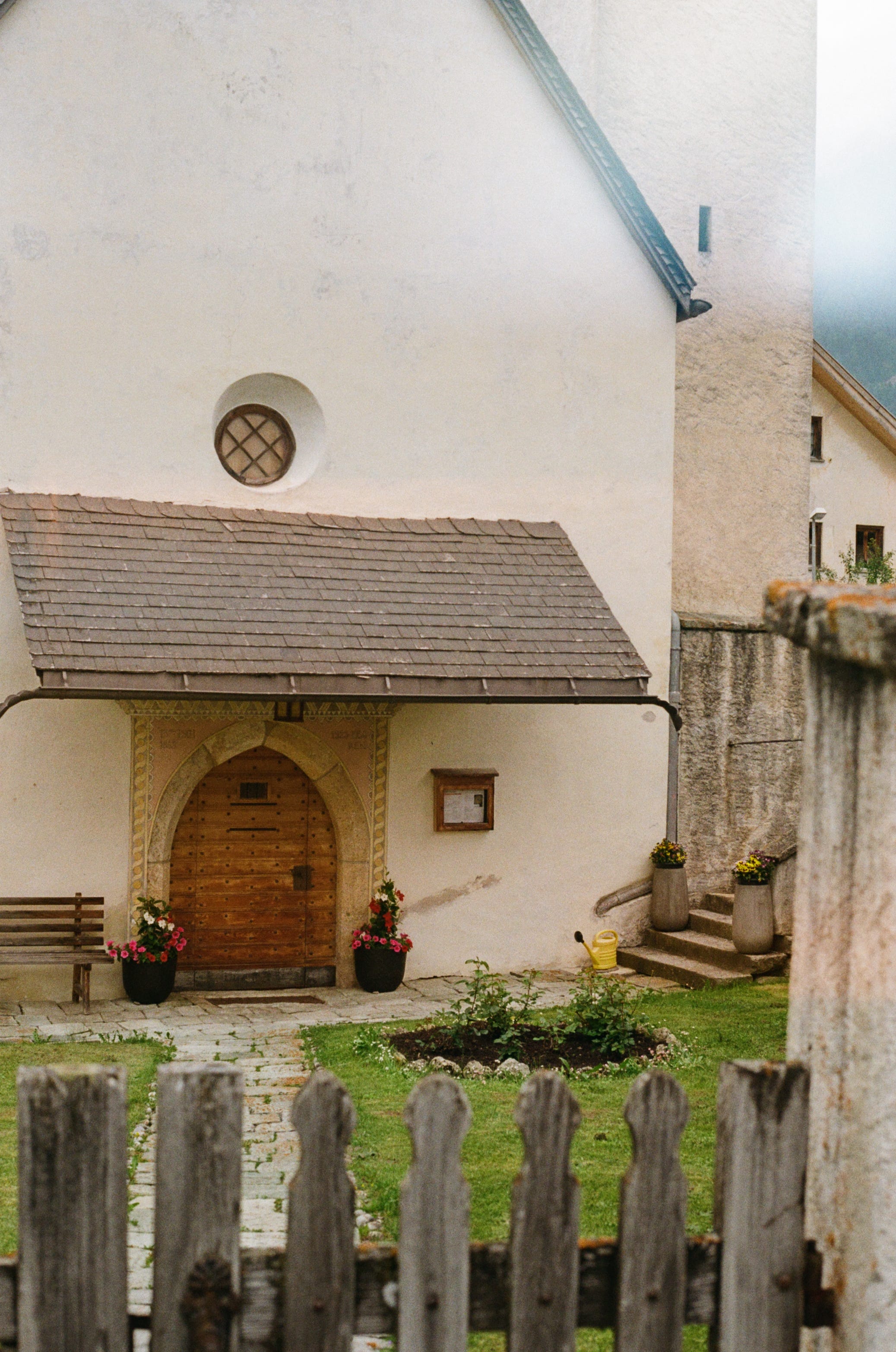
Our Spring 2026 theme is Silence.
We invite you to brave the vacant chamber of silence with us in your poetry and prose. Consider how silence might inform the “noisy” work of writing. Remember the old adage: less is more. Don’t be afraid of playing with white space in your work to allow your words to breathe.
Submissions for Silence are now open and close on April 11th, 2026! You can find our submission guidelines here.
With hushed anticipation,
The Clayjar Team
The Wisdom of the Desert by Thomas Merton, p. 20. (1970)
Revelations of Divine Love by St. Julian of Norwich, the sixteenth showing.
This sounds profound. Ideas brewing :)
So excited for this, friends. I look forward to creating a submission and reading all of the poetry and prose that become part of this delightful edition. 🕊️